
What defines the design of baggy Cargo Pants?
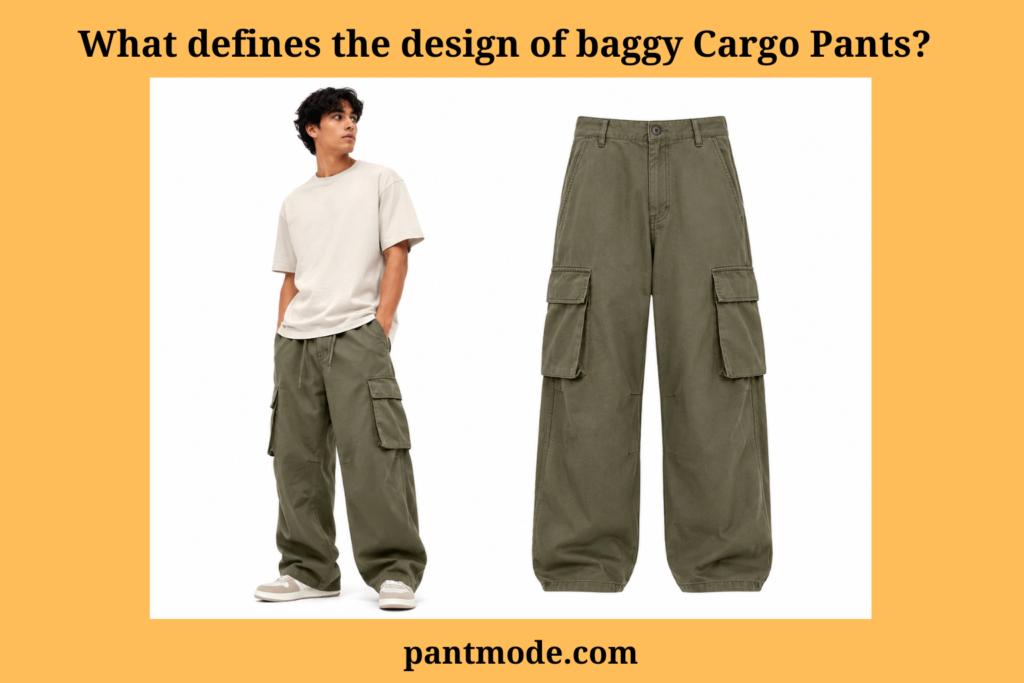
Baggy cargo pants design is defined by oversized utility trousers that use wide-leg volume, cargo pockets, adjustable hems, fabric drape, and proportion control to create an intentional modern silhouette.
Baggy cargo pants are not simply oversized pants; they need a true waist, designed leg volume, controlled pockets, and intentional hem behavior. This guide covers cultural context, oversized anatomy, aesthetic variations, proportion styling, troubleshooting, and a final buyer checklist while connecting the look to modern cargo style and functional cargo style.
Quick Answer: What Defines Baggy Cargo Pants Design?
Baggy cargo pants design is defined by oversized utility trousers with wide-leg volume, functional cargo pockets, adjustable hems, durable or fluid fabrics, intentional drape, and proportion-based styling. The best baggy cargos look designed rather than randomly oversized because the waist fits securely, the leg volume is intentional, the pockets support the silhouette, and the hem works with the footwear.
Definition: Baggy Cargo Pants Design
Baggy cargo pants design refers to oversized cargo trousers built around wide-leg volume, utility pockets, fabric drape, adjustable hems, and streetwear proportion. Unlike slim cargo, baggy cargos use volume as a style feature, but the fit still needs controlled waist structure, balanced pocket placement, and intentional hem control.
Source note: dictionary definitions identify cargo pants by large outside leg pockets. Baggy cargo styling then depends on how wide-leg volume, pocket placement, hem control, and footwear balance interact.
Figure: baggy cargo pants look intentional when volume, pockets, fabric, hems, and shoes work together.
Why Has Baggy Cargo Pants Design Become Prominent in Modern Streetwear?
Baggy cargo pants design has become prominent in modern streetwear because relaxed silhouettes, utility details, Y2K revival, techwear influence, and proportion-based styling all support oversized cargo volume.
Comfort and utility must work together. Modern casual fashion has moved toward relaxed silhouettes that allow movement while still offering pockets, adjustable hems, and durable fabric. Wide-leg cargo pants give movement, storage, and visual impact without tight tailoring, but comfort still needs waist stability and hem control.
Volume is now used as a design statement. Baggy cargo pants create shape through width, pocket placement, stacking, and hem control. A wide parachute cargo with drawcord hems creates a stronger streetwear silhouette than a plain relaxed trouser, but volume must be intentional, not accidental.
Streetwear revived utility details as fashion language. Cargo pockets, webbing belts, bungee hems, flap pockets, and ripstop fabrics signal function while creating visual identity. Techwear cargos use zip pockets and matte nylon, while Y2K cargos use oversized legs, contrast stitching, and heavy stacking. Utility details should be edited.
Baggy cargos replaced restrictive silhouettes for many casual outfits. The oversized fit offers comfort and strong proportions when balanced with the right top and footwear. Wide cargos with a cropped jacket and chunky sneakers create a deliberate shape, but balance prevents a swallowed silhouette.
For broader styling direction, compare this with casual pants.
Boundary note: popularity does not make every oversized cargo fit automatically well.
Cultural Context Rule Blocks
| Rule | Reason | Example | Boundary |
|---|---|---|---|
| Comfort and utility must work together | Relaxed silhouettes allow movement while retaining pockets, adjustable hems, and durable fabric | Wide-leg cargo pants give movement, storage, and visual impact | Comfort still needs waist stability and hem control |
| Volume is now used as a design statement | Width, pocket placement, stacking, and hems create shape | Parachute cargos with drawcord hems create a streetwear silhouette | Volume must be intentional |
| Utility details became fashion language | Pockets, belts, bungees, flaps, and ripstop fabrics signal function | Techwear uses zip pockets; Y2K uses oversized legs and heavy stacking | Utility details should be edited |
| Relaxed cargos replaced restrictive silhouettes | Oversized fit offers comfort and strong proportions | Wide cargos with a cropped jacket and chunky sneakers create a deliberate shape | Balance prevents a swallowed silhouette |
What Structural Features Define Oversized Cargo Pants Design?
Oversized cargo pants design is defined by wide-leg volume, bellows or 3D pockets, lower-thigh placement, fabric shaping, adjustable hems, structured waistbands, utility hardware, and reinforced seams.
Wide-leg volume creates movement and comfort. It gives baggy cargos their oversized streetwear silhouette. The quality signal is intentional drape, while random bagginess shows poor design.
Bellows and 3D pockets create expandable storage. They strengthen the utility identity and add visual weight. Good pockets expand without sagging, while weak pockets bulge when empty.
Mid or lower-thigh placement controls visual weight. Pockets placed correctly draw the eye downward without hitting the knee awkwardly. Poor placement shortens the leg or disrupts walking.
Pleats, darts, and panel shaping control fabric movement. They help oversized pants drape naturally instead of forming a stiff tube shape.
Adjustable hems control shoe interaction. Drawcord, bungee, snap, or cuff hems can create a puddle, stack, or parachute effect. Poor hem control causes dragging and fraying.
Structured waistbands stabilize oversized volume. A true waist fit keeps the wide leg controlled. Sizing up too much can collapse the crotch and seat.
Webbing and bungee details create techwear or gorpcore mood. Functional hardware should adjust fit or storage. Decorative clutter can look costume-like.
Reinforced seams improve durability and garment structure. Clean stitching helps large pants hold shape, while loose threads reduce quality.
For pocket engineering and construction logic, see cargo style.
Boundary note: oversized design still needs structure. Baggy is not the same as shapeless.
Oversized Cargo Anatomy Table
| Design Feature | Functional Purpose | Aesthetic Impact | Quality Signal | Red Flag |
|---|---|---|---|---|
| Wide-leg volume | Movement and comfort | Oversized streetwear silhouette | Intentional drape | Random bagginess |
| Bellows pockets | Expandable storage | Strong utility identity | Expands without sagging | Bulges when empty |
| Mid / lower thigh pockets | Accessible storage | Draws weight downward | Balanced pocket height | Pockets hit the knee awkwardly |
| Pleats / darts | Fabric movement | Controlled volume | Natural folds | Stiff tube shape |
| Adjustable hems | Controls shoe interaction | Puddle, stack, or parachute effect | Holds adjustment | Dragging and fraying |
| Structured waistband | Stabilizes fit | Keeps volume controlled | True waist fit | Sizing up too much |
| Webbing / bungee details | Utility adjustment | Techwear or gorpcore mood | Functional hardware | Decorative clutter |
| Reinforced seams | Durability | Better garment structure | Clean stitching | Loose threads |
Which Baggy Cargo Pants Aesthetic Fits Y2K, Techwear, Gorpcore, Workwear, or Minimalist Style?
The right baggy cargo pants aesthetic depends on whether the reader wants Y2K, skate, techwear, gorpcore, workwear, minimalist, or high-fashion oversized styling.
If the style goal is Y2K or skate, choose stonewashed denim, cotton canvas, or parachute nylon. Wide legs, contrast stitching, and heavy stacking create a trend-forward silhouette. Avoid slim low-profile shoes because they cannot anchor the volume.
If the style goal is techwear, choose ripstop nylon or matte technical blends. Zip pockets, taped seams, and adjustable hems create a functional urban look. Avoid loud non-functional hardware because it looks costume-like.
If the style goal is gorpcore, choose water-resistant synthetics. Webbing belts, bungee hems, and utility pockets pair well with hiking sneakers and fleece. Avoid overly formal tops because the fabric mood will clash.
If the style goal is workwear, choose canvas, duck cloth, or heavy twill. Reinforced knees and utility pockets pair well with boots, flannel, and chore jackets. Avoid thin delicate fabrics.
If the style goal is minimalist wide-leg styling, choose washed cotton or refined twill. Flat pockets and tonal hardware create cleaner everyday wear. Avoid too many straps.
If the style goal is high-fashion oversized styling, choose wool blend, dense cotton, or sculptural nylon. Dramatic drape and edited pocket placement work with platforms, boots, statement shoes, minimal tops, and cropped jackets. Avoid busy accessories.
Boundary note: aesthetic should match footwear, outerwear, climate, and real wardrobe use. One baggy cargo style does not work for every person.
Baggy Cargo Aesthetic Decision Matrix
| Aesthetic | Ideal Fabric | Key Design Details | Best Footwear | Best Top Pairing | Avoid |
|---|---|---|---|---|---|
| Y2K / Skate | Stonewashed denim, cotton canvas, parachute nylon | Wide leg, contrast stitching, heavy stack | Chunky skate shoes | Baby tee, graphic tee, cropped hoodie | Slim low-profile shoes |
| Techwear | Ripstop nylon, matte technical blends | Zip pockets, taped seams, adjustable hems | Trail runners | Shell jacket, layered tees | Loud non-functional hardware |
| Gorpcore | Water-resistant synthetics | Webbing belt, bungee hems, utility pockets | Hiking sneakers | Fleece, technical jacket | Overly formal tops |
| Workwear | Canvas, duck cloth, heavy twill | Reinforced knees, utility pockets | Boots | Flannel, chore jacket | Thin delicate fabrics |
| Minimalist wide-leg | Washed cotton, refined twill | Flat pockets, tonal hardware | Clean sneakers, loafers | Plain knit, overshirt | Too many straps |
| High-fashion oversized | Wool blend, dense cotton, sculptural nylon | Dramatic drape, edited pocket placement | Platforms, boots, statement shoes | Minimal top, cropped jacket | Busy accessories |
Figure: wide-leg cargo outfits need top structure, footwear weight, pocket control, hem control, and true waist fit.
How Do You Balance Proportions When Styling Wide-Leg Cargo Pants?
You balance proportions in wide-leg cargo pants by controlling top volume, footwear weight, pocket detail, hem behavior, fabric mood, accessories, color, and true waist fit.
Use the “small top, big pants” rule when volume is extreme. A fitted top, cropped jacket, or structured upper layer gives the body a clear shape. Oversized-everything can swallow the silhouette.
Use substantial footwear under wide hems. Chunky sneakers, boots, and trail shoes anchor the lower half. Thin slip-ons can make the pant look unsupported.
Use a quiet upper half when pockets are loud. Solid tops keep the focus on multi-pocket cargos. Busy tops compete with pocket detail and create visual overload.
Control the hem before leaving the house. Drawcords, cuffs, proper breaks, or shoe-supported stacking reduce fraying and dragging.
Match fabric mood across the outfit. Nylon cargos work better with shells or technical layers than with formal dress shirts.
Use one strong utility accessory. Too many straps, slings, belts, and bags can make the outfit costume-like.
Balance color with one statement and one neutral base. Loud pants and loud tops compete. A neutral top can make colored cargos look more intentional.
Buy a true waist with a wide-leg cut. Sizing up randomly causes poor rise, crotch collapse, and unstable proportions.
Boundary note: wide-leg cargo pants need at least one visual anchor: fitted top, structured jacket, substantial shoe, controlled hem, or true waist fit.
Styling Proportion Do / Don’t Table
| Styling Area | Don’t | Do | Result |
|---|---|---|---|
| Top volume | Oversized hoodie + huge cargos with no structure | Fitted top or cropped jacket | Clearer body shape |
| Footwear | Thin slip-ons under wide hems | Chunky sneakers, boots, trail shoes | Balanced lower half |
| Pocket detail | Busy top with multi-pocket cargos | Solid or quiet top | Cleaner focus |
| Hem control | Let hems drag under heel | Use drawcord, cuff, or proper break | Less fraying |
| Fabric mood | Nylon cargos with formal dress shirt | Nylon cargos with shell or technical layer | Cohesive style |
| Accessories | Too many straps and bags | One strong utility accessory | Less costume-like |
| Color | Loud pants + loud top | One statement color, one neutral base | Stronger outfit balance |
| Fit | Sizing up randomly | Buy true waist with wide-leg cut | Better proportions |
How Can You Fix Common Fit Mistakes in Relaxed-Fit Cargo Pants?
Common fit mistakes in relaxed-fit cargo pants can be fixed by correcting waist fit, rise shape, pocket bulk, hem control, fabric structure, utility detail overload, pocket placement, and garment shaping.
The diaper effect comes from a waist that is too large or a poor rise shape. Choose a true waist with a designed wide-leg cut for a cleaner crotch and seat.
Dragging hems come from excess inseam or shoes that are too slim. Use a drawcord, cuff, tailor, or chunkier shoes to create controlled stacking.
Bulging pockets come from stiff or high pocket construction. Choose flat gussets or lower-profile pockets for a cleaner thigh line.
Shapeless outfits come from oversized-everything styling. Add one fitted or structured element to create better proportions.
The pajama look comes from fabric that is too thin. Denser cotton, ripstop, canvas, or stronger fabric body creates a more intentional silhouette. For ripstop context, see this fabric properties guide.
The overly tactical look comes from too many straps and hardware details. Use one utility statement to make the outfit more wearable.
Shortened legs come from pockets placed too low. Mid-thigh pocket placement supports a better leg line.
A stiff tube shape comes from missing pleats, darts, or shaping. Choose pleats, darts, or softer fabric for better drape.
For fabric and casual wear structure, compare cut and fabric. For minimalist or cleaner styling, compare polished comfort.
Boundary note: most relaxed-fit cargo problems come from sizing up randomly or ignoring proportion. Focus on garment structure, not body blame.
Relaxed-Fit Cargo Troubleshooting Guide
| Fit / Styling Problem | Diagnosis | Fix | Result |
|---|---|---|---|
| Diaper effect | Waist too large or poor rise | True waist + wide-leg cut | Cleaner crotch and seat |
| Dragging hems | Inseam too long or shoes too slim | Drawcord, cuff, tailor, or chunkier shoes | Controlled stacking |
| Bulging pockets | Pocket too stiff or too high | Flat gussets or lower-profile pocket | Cleaner thigh line |
| Shapeless outfit | Oversized everything | Add fitted or structured element | Better proportions |
| Pajama look | Fabric too thin | Denser cotton, ripstop, canvas | Stronger silhouette |
| Too tactical | Too many straps/hardware | One utility statement | More wearable style |
| Shortened legs | Pockets too low | Mid-thigh pocket placement | Better leg line |
| Stiff tube shape | No pleats or shaping | Pleats, darts, softer fabric | Better drape |
What Checklist Helps You Buy Premium Baggy Cargo Pants?
A strong baggy cargo buyer checklist should test waist fit, leg volume, fabric weight, pocket construction, pocket placement, hem adjustability, footwear compatibility, top balance, hardware quality, and outfit versatility.
Waist fit: ask whether the waist fits securely without sizing up excessively. The pass standard is a true waist with planned leg volume.
Leg volume: ask whether the width is intentionally designed. The pass standard is wide-leg volume that drapes instead of collapsing.
Fabric weight: ask whether the fabric has enough body. The pass standard is fabric that supports the shape without feeling too stiff for the use case.
Pocket construction: ask whether pockets are functional, reinforced, and proportionate. The pass standard is storage that does not sag or bulge when empty.
Pocket placement: ask whether pockets support the silhouette. The pass standard is useful placement that does not hit the knee awkwardly.
Hem adjustability: ask whether the hem can be stacked, cuffed, cinched, or controlled. The pass standard is no uncontrolled dragging.
Footwear compatibility: ask whether your shoes balance the wide-leg volume. The pass standard is footwear with enough visual weight.
Top-half balance: ask whether the pants work with fitted, cropped, or structured tops. The pass standard is at least one clear outfit anchor.
Hardware quality: ask whether zippers, bungees, snaps, and drawcords are durable. The pass standard is function, not decoration.
Outfit versatility: ask whether the pants can work across real aesthetics you wear. The pass standard is at least three real outfit combinations.
For taxonomy context, see all pants. For non-denim casual options, compare non-denim.
Boundary note: premium baggy cargo pants should feel designed, not merely oversized.
Final Baggy Cargo Buyer’s Checklist
| Buyer Check | Yes / No |
|---|---|
| Does the waist fit securely without sizing up excessively? | |
| Is the leg volume intentionally wide, not randomly oversized? | |
| Does the fabric have enough weight for proper drape? | |
| Are the cargo pockets functional, reinforced, and proportionate? | |
| Are the pockets placed to support the silhouette? | |
| Can the hem be adjusted, stacked, cuffed, or controlled? | |
| Do your shoes balance the wide-leg volume? | |
| Can you style the pants with fitted, cropped, or structured tops? | |
| Are zippers, bungees, snaps, and drawcords durable? | |
| Does the design avoid looking overly tactical or costume-like? | |
| Can the pants work for Y2K, streetwear, techwear, gorpcore, workwear, or minimalist outfits? | |
| Can you build at least three real outfits before buying? |
Key Takeaway
Baggy cargo pants work best when the volume is built into the leg—not created by sizing up randomly. Choose a secure waist, intentional wide-leg cut, fabric with enough body, cargo pockets that support the silhouette, hems that can be controlled, and footwear that anchors the pant volume.
Frequently Asked Questions
Baggy cargo pants design is defined by oversized utility trousers with wide-leg volume, functional cargo pockets, adjustable hems, durable or fluid fabrics, intentional drape, and proportion-based styling.
Baggy cargo pants are popular because relaxed silhouettes, utility details, Y2K revival, techwear influence, and proportion-based styling all support oversized cargo volume.
Baggy cargo pants should fit securely at the waist while using designed wide-leg volume through the leg. They should not rely on random sizing up, which can create poor rise, crotch collapse, and dragging hems.
Chunky sneakers, platform sneakers, combat boots, trail shoes, and substantial boots usually balance wide-leg cargo pants better than thin low-profile shoes.
Check waist fit, leg volume, fabric weight, pocket construction, pocket placement, hem adjustability, footwear compatibility, top-half balance, hardware quality, and outfit versatility before buying.
Conclusion
Baggy cargo pants design works best when wide-leg volume, pocket placement, fabric drape, hem control, footwear balance, and top-half structure support one intentional oversized silhouette.
Baggy cargos are not just oversized pants; they need waist stability, designed volume, controlled pockets, and intentional hems.
Aesthetic direction should guide fabric, pockets, footwear, and top pairing.
Buyer decisions should prioritize true waist fit, fabric body, pocket proportion, hem control, and styling versatility.
Choose baggy cargo pants by testing waist fit, leg volume, pocket placement, hem control, footwear balance, and three real outfit combinations before buying.